
Eat for Strength: Nutrition Tips for Healthy Bones
Strong bones aren’t just built in the gym, they’re built in the kitchen. What you eat plays a direct and powerful role in determining your bone strength, density, and overall resilience, especially as you age. Bones are living tissue; they continuously rebuild and repair themselves. By providing the right nutrients, you can keep them strong, flexible, and less prone to fractures or osteoporosis. Here are practical nutrition tips to help you eat your way to healthier bones.
Power Up with Calcium
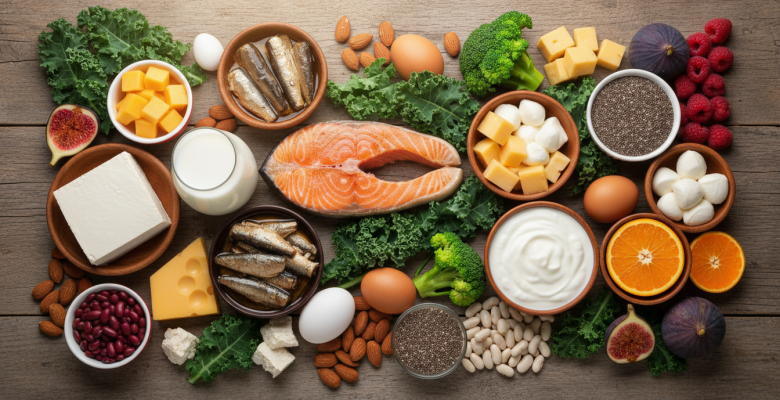
Calcium is the foundation of bone health. It’s the primary mineral stored in your bones and used to maintain their strength. Adults over 50 need roughly 1,200 milligrams daily, but many fall short. Dairy products like milk, yogurt, and cheese are excellent sources, but if you’re lactose intolerant or prefer plant-based options, turn to fortified plant milks, leafy greens (such as collard greens, kale, and bok choy), and calcium-set tofu. Sardines and salmon with bones also provide natural calcium boosts.
Don’t Forget Vitamin D
Even with enough calcium, your body can’t absorb it properly without vitamin D. Known as the “sunshine vitamin,” it helps direct calcium to your bones instead of allowing it to be wasted. While sunlight exposure is an effective source, dietary sources include fatty fish (salmon, tuna, mackerel), egg yolks, and fortified cereals or juices. Some people—especially older adults and those living in northern climates—may need supplements. Talk to your healthcare provider before adding vitamin D supplements to your routine.
Get Plenty of Protein
Bones aren’t just calcium—they’re made up of both minerals and protein. Adequate protein intake supports the repair and renewal of bone tissue. Lean poultry, fish, eggs, legumes, nuts, and seeds make great choices. For older adults, spreading protein intake evenly throughout the day can help maintain muscle mass and prevent bone loss. A breakfast smoothie with Greek yogurt and berries or a lentil soup at lunch can go a long way.
Magnesium, Zinc, and Vitamin K: The Unsung Heroes
These lesser-known nutrients play vital supporting roles in bone maintenance. Magnesium helps convert vitamin D into its active form, zinc assists in bone tissue renewal, and vitamin K supports bone mineralization. Green vegetables, nuts, whole grains, beans, and avocados are excellent options for magnesium and zinc, while dark leafy greens like spinach, kale, and broccoli provide vitamin K.
Balance Matters—Avoid Overdoing the Wrong Foods
Too much salt, sugar, or caffeine can drain calcium from your bones. Processed foods, sodas, and excessive coffee all contribute to calcium loss. Limit alcohol and quit smoking, as both accelerate bone thinning. Strive for a balanced diet with plenty of whole foods, fruits, legumes, and healthy fats.
Hydrate and Move for Better Bone Health
Hydration keeps your cells working efficiently, including those that rebuild bone tissue. Combine your healthy diet with weight-bearing and resistance exercises—like walking, dancing, or light weightlifting—to stimulate bone growth.
The Bottom Line
Eating for strong bones isn’t about following a restrictive diet—it’s about making thoughtful, nourishing choices every day. By fueling your body with bone-friendly nutrients, staying active, and maintaining a balanced lifestyle, you can enjoy greater strength, mobility, and independence no matter your age. When you eat for strength, your bones thank you with every confident step you take.